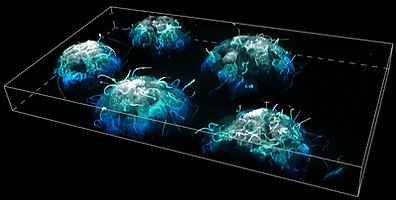
MERRINS LAB

RESEARCH
Research in the Merrins laboratory is focused on understanding how nutrient metabolism controls hormone secretion from pancreatic islet cells. To do so, we utilize a combination of genetics, protein biochemistry, electrophysiology, and quantitative imaging. A major focus of the lab is the use of fluorescence microscopy to study cellular metabolism in real time. We have expertise in several imaging modalities (including confocal, TIRF, STED, multi-photon, and light-sheet microscopy). We use these tools to study compartmentalized signaling and organelle communication (between the mitochondria, plasma membrane, and primary cilia). Our work has led us to propose a new model of glucose-stimulated insulin secretion that is based on the location and bioenergetic properties of the ATP-generating enzyme pyruvate kinase. Ultimately, we hope to provide a clearer understanding of the metabolic and electrical oscillations that drive pulsatile insulin secretion. Efforts are ongoing to understand how these pathways are disrupted in aging, obesity, and diabetes.
In addition to basic research, Dr. Merrins co-founded State 4 Therapeutics, a Yale-based obesity therapeutics spinout working in the GLP-1 space. This work has opened new projects studying metabolic signaling in the islet, brain, and muscle.
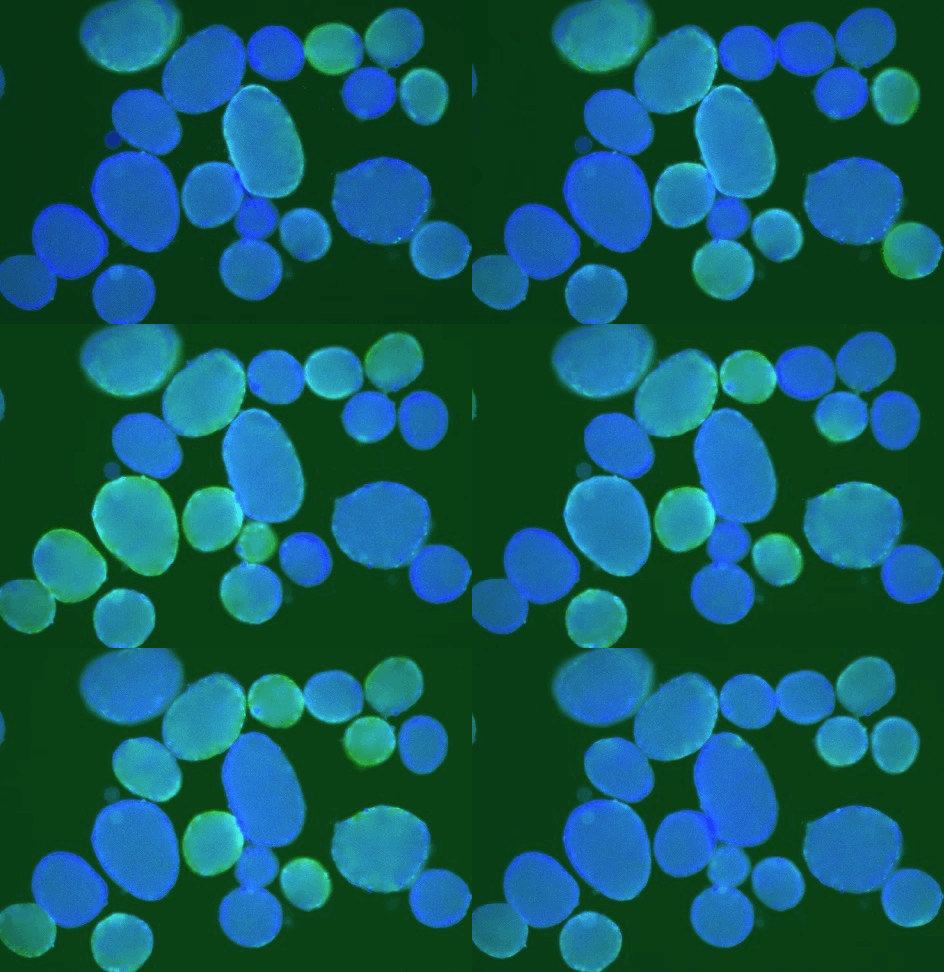
Glucose stimulation of beta cell calcium oscillations that trigger insulin secretion.
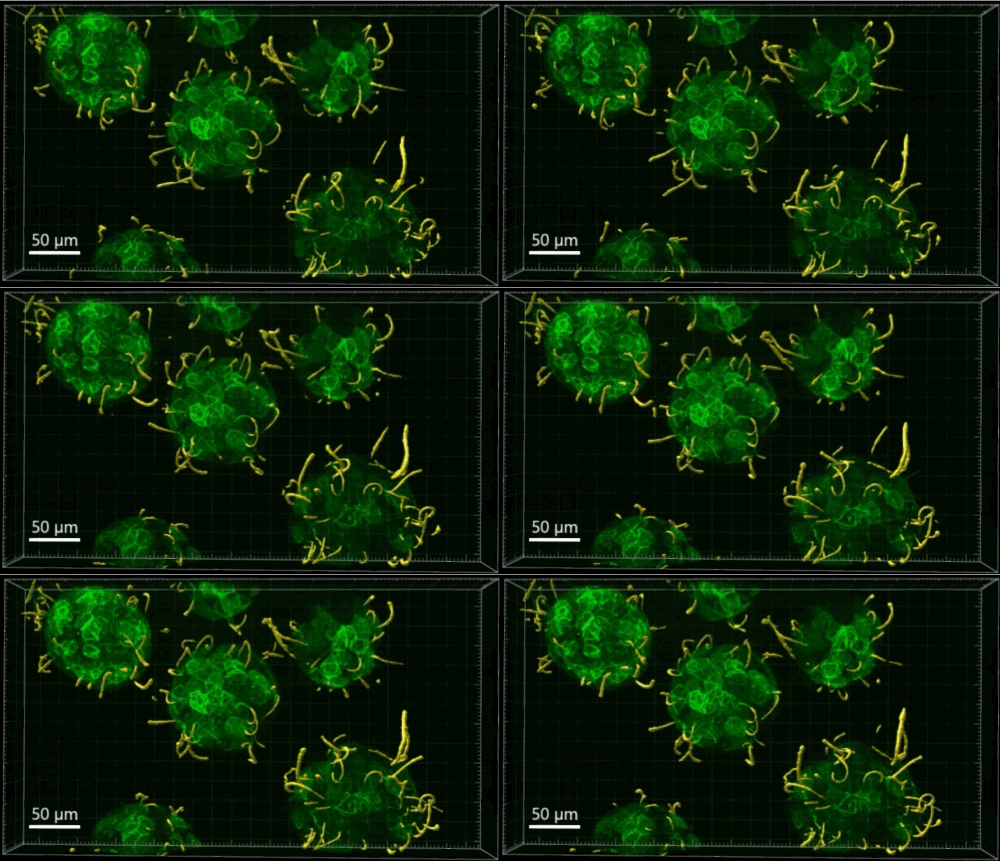
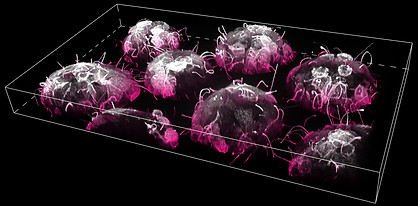
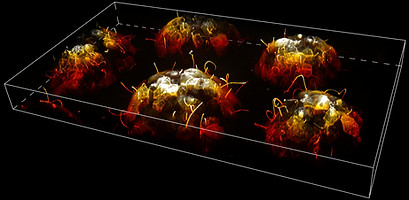
Machine learning algorithm for isolating primary cilia dynamics.
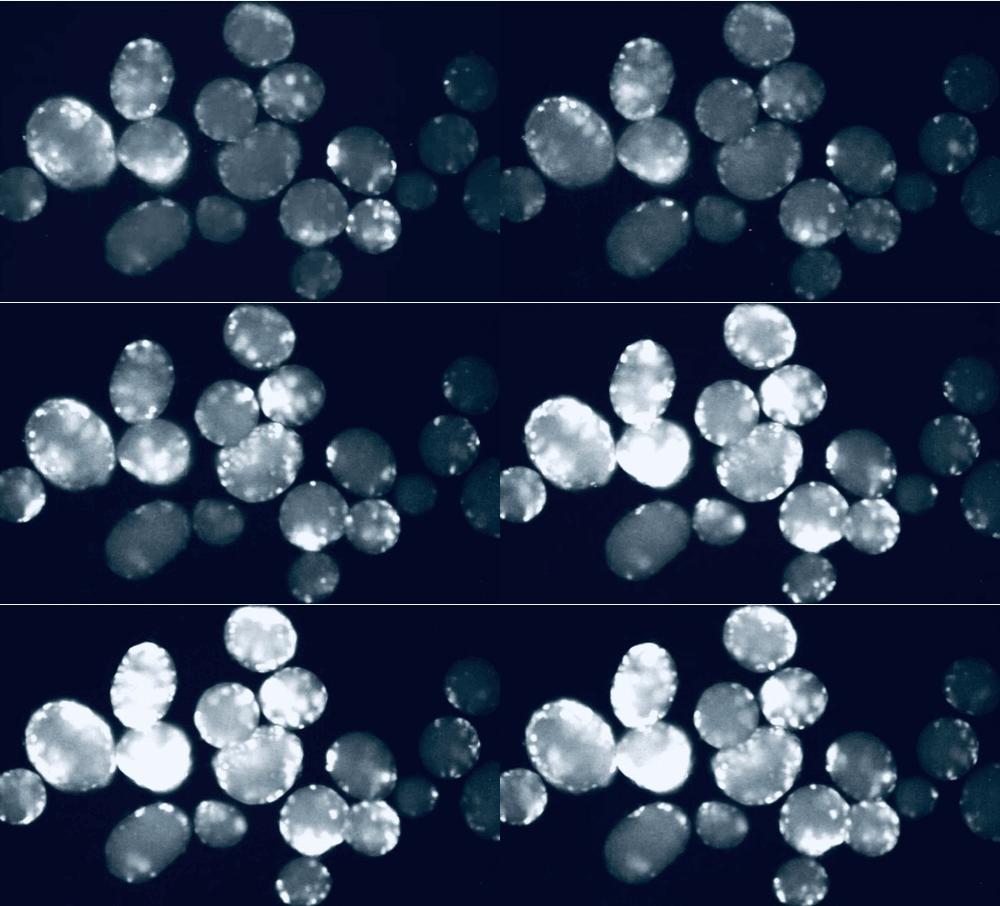
Amino acid stimulation of the alpha cell calcium pulses that triggers glucagon secretion.
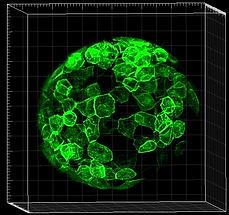
2-photon imaging of intraislet glutamate signaling.
REPRESENTATIVE PROJECTS
A new model of glucose-stimulated insulin secretion
Our lab has uncovered pivotal roles of pyruvate kinase and the mitochondrial phosphoenolpyruvate (PEP) cycle in beta cell nutrient sensing. We discovered that the ATP-generating enzyme pyruvate kinase is part of a plasma membrane associated glycolytic metabolon that closes KATP channels to initiate insulin secretion. Based on these findings, we proposed a revised model of nutrient-stimulated insulin secretion, which challenges the canonical understanding that mitochondrial ATP initiates insulin secretion. To test this new model, we are working to understand whether the location and bioenergetics of pyruvate kinase are essential for controlling the metabolic and electrical activity of beta cells.
How do alpha cells sense amino acids?
Glucagon secretion is important for maintaining blood glucose during hypoglycemia, and for boosting insulin secretion from neighboring beta cells in the fed state. Yet, nutrient regulation of pancreatic alpha cells is poorly understood. A challenge is that alpha cells exhibit significant heterogeneity in their nutrient response, especially to amino acids, which are the primary metabolic fuels for glucagon secretion. To understand the molecular basis of alpha cell nutrient sensing, we are using mouse genetics in combination with 3D light-sheet imaging to understand alpha cell signaling and islet cell-to-cell communication within the intact islet in real-time.
Can we improve GLP-1 therapies for obesity and diabetes?
In addition to sensing nutrients such as glucose and amino acids, beta cells respond to external cues arising from incretin hormones and neighboring alpha cells. These signals act via beta cell GPCRs located on the plasma membrane. Some of these receptors, such as the GLP-1 and GIP receptors, are major targets of obesity and diabetes therapeutics (semaglutide, tirzepatide, etc.). By understanding how these signaling pathways work downstream of the receptors, we hope to develop more effective treatments for metabolic diseases.